
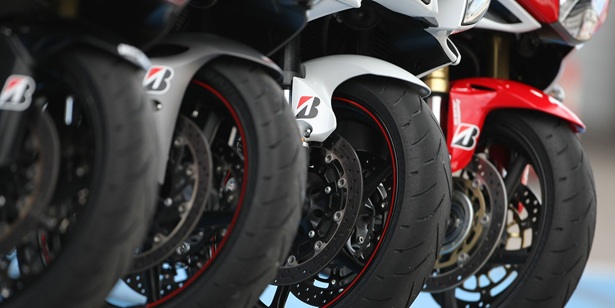
You can shout about the importance of maintaining the right tyre pressure from the roof tops (and believe me, in the bike industry we do) and some riders will fail to hear the message.
That’s why it’s great to see the importance of setting and maintaining correct tyre pressure being covered in a major motorcycle magazine like Fast Bikes, who looked at the issue in their November 2015 issue.
Whether riding on the road or on track, not having the correct tyre pressure is a common mistake made by many riders, irregardless of their level of experience. The most frustrating part about it all, is it’s so quick and easy to check and correct your pressures on a regular basis – just get yourself a good quality pressure gauge, and ensure that it is correctly calibrated! If your bike comes with tyre pressure sensors the same applies, it’s amazing how many riders use this as an excuse to not check their pressures manually.
It’s worth noting that places which offer free air aren’t currently required to calibrate their pressure gauges, so you can’t rely on them to get the correct information.
Riding on the road, you should check with your tyre manufacturer who will list the recommended pressures for your bike. Failing that, a quick call to your local motorcycle dealer, who will be able to find out on your behalf, either by speaking to the manufacturer direct, or calling their wholesaler – Cambrian Tyres have the UK’s leading specialist motorcycle tyre sales team, with unparalleled levels of experience to offer the best possible advice.
Playing around with tyre pressures is best left for the track, but again manufacturers will have a recommendation for all their race tyres on their website. These may need to be adjusted depending on the track and ambient temperature but provide a good base point. There can be huge variation between manufacturers – Dunlop’s NTEC construction for example will allow you to drop your pressures much lower than other manufacturers equivalents. Don’t listen to advice on forums or Facebook, what worked for one rider, on one specific tyre, on a specific track and on a specific day may not work for you.
Running pressures on track that are too high will see cold tears become and issue, a harsher ride and a reduction in the size of the tyres’ contact patch. Running the tyre under pressure will increase heat build up, increase wear rates, upset the handling and slow down the steering.
It will also waste you money, and when you return your tyre under warranty because it’s ‘faulty’ the manufacturer will always be able to tell if it has been run under or over inflated, and will reject your claim.
Check your pressures once per week, or before every ride if less frequent – it’s quick, it’s easy, and it saves you money!

